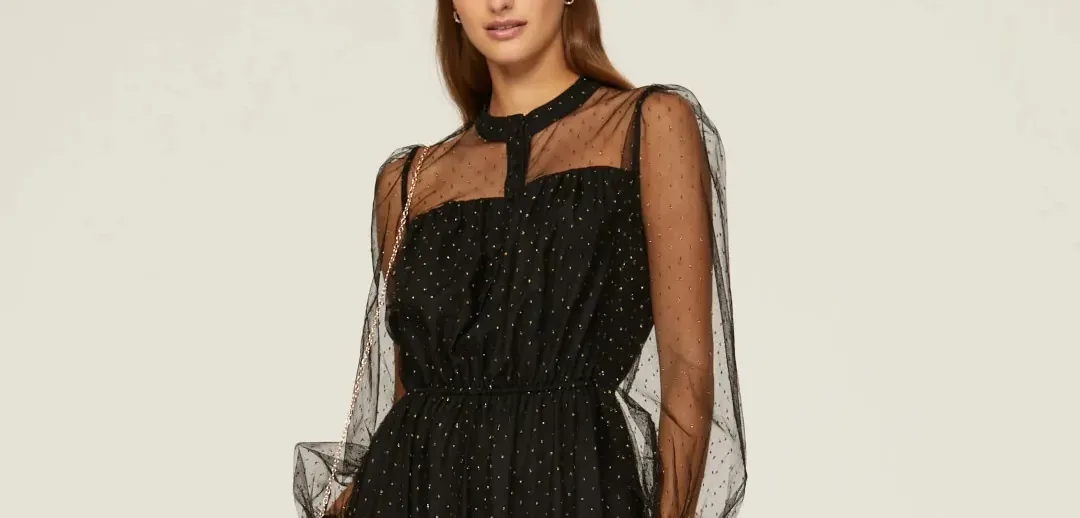
The Akris dress had been chosen weeks earlier for the afternoon meeting that would run straight into an evening dinner in Lafayette.
When it came back from the last cleaner, the front panel showed a faint line where the press plate had rested too long, and the wool had taken on a slight sheen along the seam. The client noticed it the moment she lifted the garment from the hanger.
That line is not a cleaning issue. It is a finishing issue. Wool responds to heat and pressure in ways most fabrics do not. Too much direct contact flattens the nap and creates the very shine that makes a dress look tired before the day is half over. The opposite approach—light, repeated passes with controlled steam—lets the fibers relax back into their original shape without ever touching a hot plate to the surface.
Alex’s Team begins every delicate garment by reading the construction first. They check the grain, the way the seams are finished, and whether any interfacing might shift under steam. Only then do they begin the hand finishing. The work is done on a padded form rather than a flat board so the dress keeps its intended silhouette. Steam is applied in short bursts from several inches away, allowing the moisture to open the fibers before they are gently coaxed back into place with a soft brush or the palm of a gloved hand.
Impressions are the next thing they watch for. A hanger mark from the previous owner, a fold line from storage, or the ghost of an earlier press can all reappear if the steam is applied too aggressively. The team works in sections, letting each area cool before moving to the next, so nothing is set twice. The result is a dress that moves as the designer intended, with no flattened areas and no reflective patches along the seams.
Clients who have lived in Lafayette for years recognize the difference the moment they put the garment on again. The fabric feels lighter, the drape falls correctly, and there is no need to tug or smooth during the day. That consistency matters when the same dress needs to perform at a board meeting in the morning and a client dinner the same evening.
Alex Najafi founded Alex’s Dry Cleaning Valet in 1984 and has operated it personally ever since, which is why the same standards for hand finishing apply whether the piece is a structured coat or a fluid wool dress. The process takes longer than a standard press, but the garment returns ready for its next wearing rather than requiring another round of corrections.
When the question of proper care comes up, many households in Lafayette turn to the best dry cleaning in Lafayette for answers that go beyond simple pickup and delivery. They want to know their clothes will look the same after the service as they did the day they were purchased.
If your schedule leaves little room for last-minute adjustments, a standing pickup makes the entire process invisible.
Schedule a Pickup →The final check is always visual and tactile. The team holds the dress at different angles under natural light to catch any remaining impression or uneven steam. Only when the surface reads evenly and the hand falls correctly is the garment placed on a shaped hanger and covered for return. That last step is what prevents the small disappointments that used to appear the morning after a cleaning.