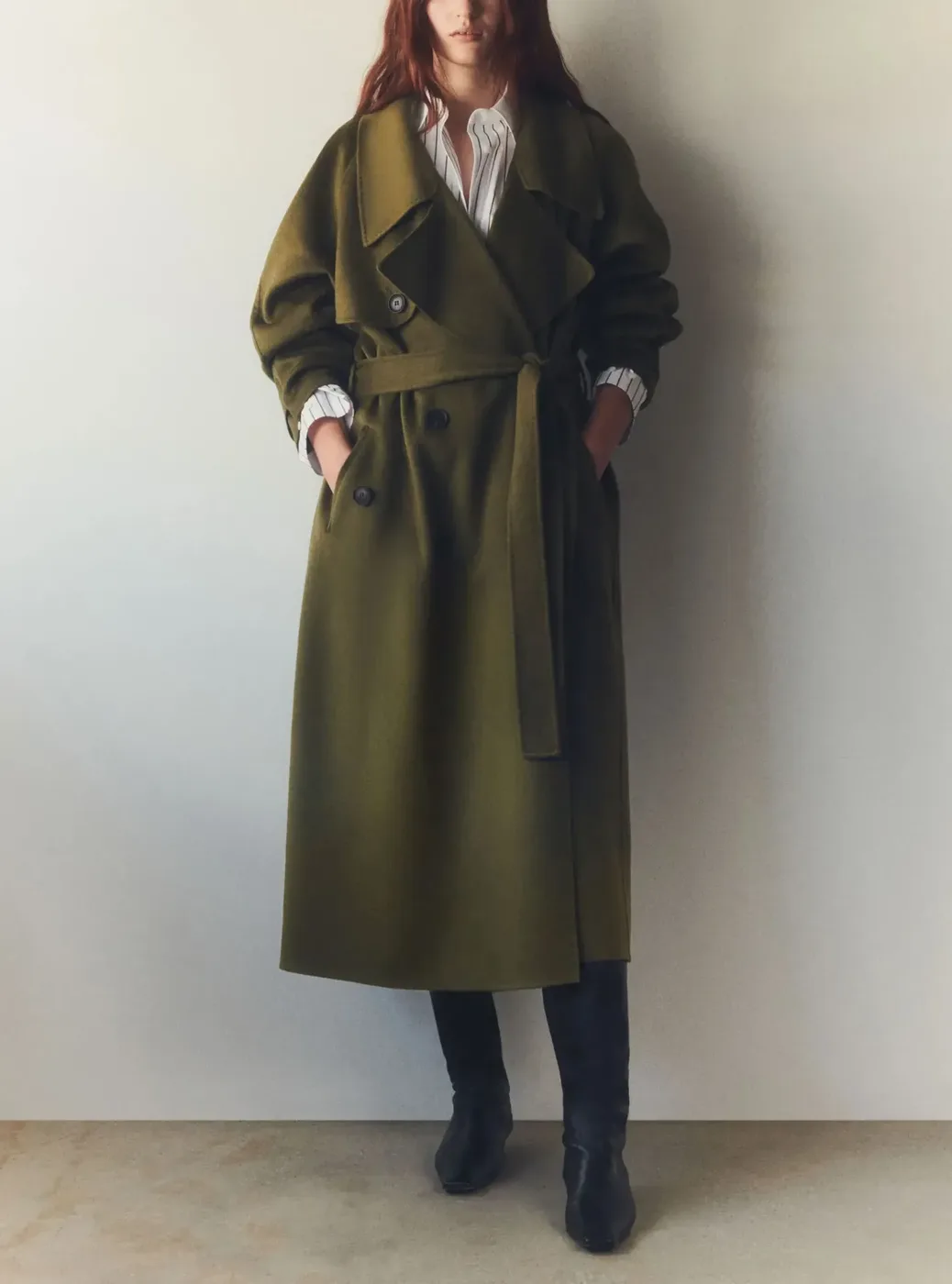
The coat hangs in the front closet of a Sea Cliff home, the one you reach for when the fog rolls in early. It is Loro Piana cashmere, soft enough to feel like a second skin yet structured enough to hold its line over a suit. You bought it because it felt like the kind of piece that would last a decade if treated correctly. Then one morning the shoulder shows a faint ridge of pilling that was not there the week before.
That small change matters more than it should. The coat is no longer just fabric; it is the layer you rely on for the first impression at a board meeting or the quiet dinner where every detail is noticed. When the surface begins to betray the quality beneath, the mental cost starts to add up—another thing to remember, another decision to make before the day even begins.
The real expense of a rushed finish
Most cleaning processes stop at soil removal. They miss the way cashmere fibers shift under heat, the way a single missed knot of pilling can pull neighboring fibers into view, the way an over-pressed lapel loses its natural roll. A coat that cost five thousand dollars carries those vulnerabilities in every seam. When the work is hurried, the damage appears gradually: first in the way light catches the shoulder differently, later in the way the garment no longer feels like the one you chose.
Your time is already spoken for. The hours spent examining the coat yourself, deciding whether to risk another round of standard cleaning, or hunting for someone who understands vicuña-blend finishing are hours that could have gone elsewhere. That is the hidden ledger most people never add up.
What careful inspection actually looks like
Alex's Team begins with the garment laid flat under directed light. They check the nap direction across both shoulders and the upper back, because cashmere pills first where friction is highest. They examine the underarm gussets and the interior of the cuffs for the fine dust that ordinary tumbling leaves behind. Each button is tested for looseness; each thread is checked for color shift that signals over-bleaching on a prior cycle.
Only after that survey does pressing begin. The iron never travels the full length of a seam in one pass. Instead, small sections are lifted and reset so the natural give of the cashmere is preserved. When the coat is finished, it returns with the same hand-feel it had when it left the atelier, not a flattened imitation.
The difference is visible the next time you lift it from the hanger. No new ridges appear. The collar settles exactly where it did the first season. That consistency removes one more variable from mornings that already carry enough weight.
That kind of consistency doesn’t happen by accident. It comes from knowing exactly what a garment should look like and caring enough to get it right every time.
See Our Pricing →The same standard, wherever the schedule takes you
Whether the coat lives in Sea Cliff or travels with you to another residence, the process stays identical. Alex's Team arrives at the door, records the garment's condition on the ticket, and returns it on the day you chose. No separate errand, no uncertainty about who touched the piece between pickup and delivery.
Many households in Sea Cliff have discovered that finding the best dry cleaning San Francisco no longer requires leaving the neighborhood. The service meets the garment where it already is, on the client's calendar rather than the cleaner's.
Removing the low-level worry
If a Loro Piana coat or any other fine cashmere piece in your wardrobe has begun to show the first signs of uneven wear, the remedy is not another round of ordinary cleaning. It is a single, thorough inspection performed by people who understand what the original maker intended. Simply call when the next pickup works with your schedule. The coat will be waiting, restored, when you need it again.