
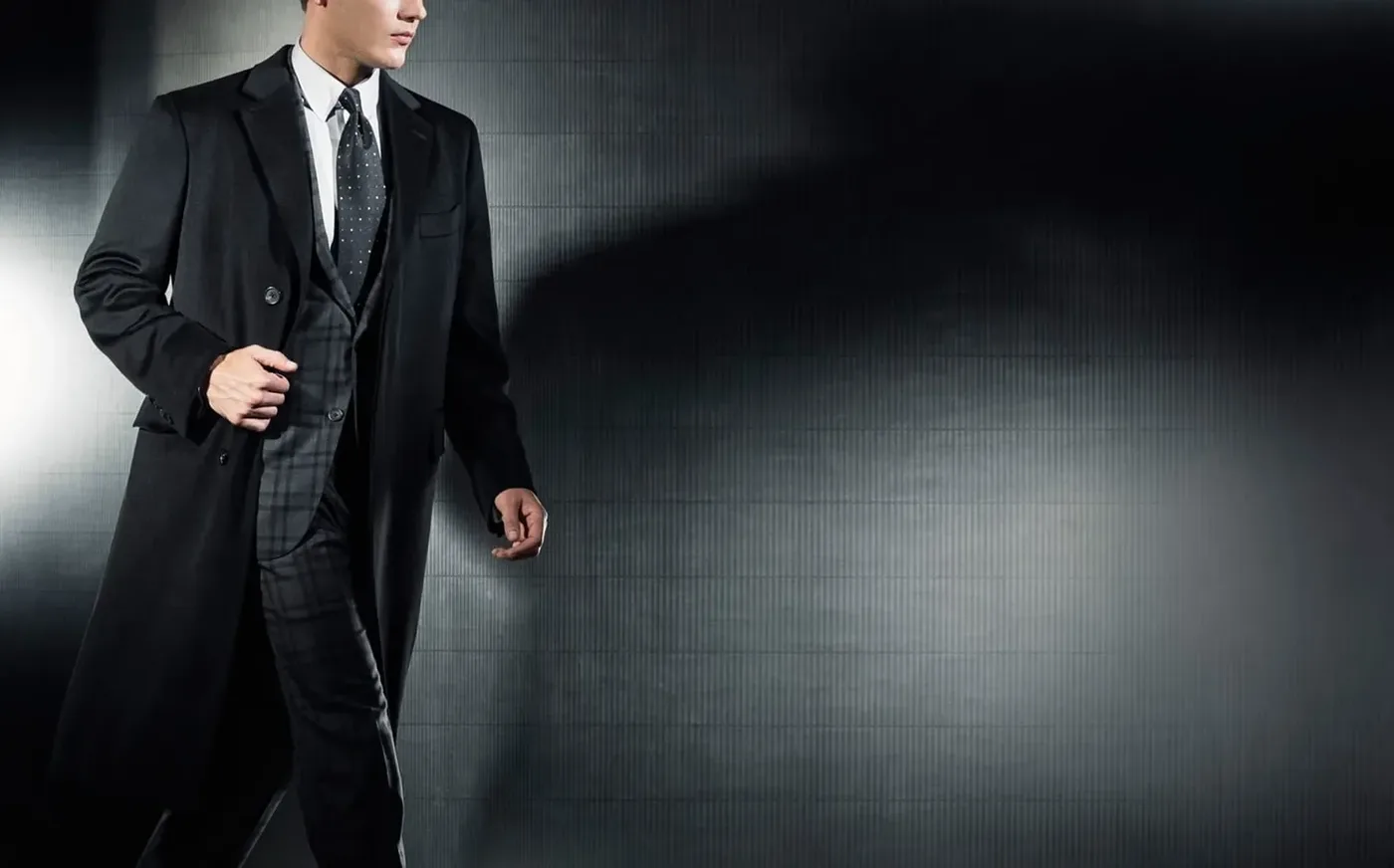
A client in San Francisco once brought in a favorite suit after an outside alteration and noticed the shoulders no longer sat cleanly against his frame. The fabric had pulled in ways that made the jacket look slightly off, even after pressing. The change was small at first glance, yet it altered how the entire garment moved with him.
Delicate suit fabrics, particularly those with structured inner construction, respond poorly to machine stitching. The process applies uniform tension and speed that can stretch or compress the cloth unevenly. Over time, that tension settles into permanent distortion along the seams and lapels. What began as a simple hem or waist adjustment ends up reshaping the pieces that were meant to hold their form through years of wear.
The cost shows up in daily moments rather than dramatic failures. Mornings require extra adjustments before important meetings. The jacket no longer pairs cleanly with the trousers it was cut to match. Focus shifts from the day ahead to whether the garment still presents as intended. For households that rely on a small rotation of well-made suits, these small shifts accumulate into lost time and unnecessary decisions.
Hand work protects what machines overlook
Proper alterations begin with examining the existing construction piece by piece. A tailor notes how the inner structure joins the outer cloth, then works by hand to maintain that relationship while making the needed change. This approach respects the original grain and allows the fabric to settle back into its intended lines. Machine methods skip these checks in favor of speed, leaving the garment to reveal the difference only after several wears.
When a suit requires attention beyond routine cleaning, the same careful standards apply to alterations.
See Our Pricing →Alex Najafi founded Alex's Dry Cleaning Valet in 1984 and has operated it personally ever since, building a process that treats each garment as an individual piece rather than a batch. The team applies that same attention whether the request involves laundering or a measured adjustment to the cut.
Consistency across the wardrobe
Clients in San Francisco often manage multiple suits that must coordinate across seasons and occasions. When one piece receives machine alteration while others receive hand finishing, the set begins to drift out of alignment. The solution lies in handling every garment with the same level of inspection, so the drape and line remain consistent throughout the collection.
The link between cleaning and alterations matters here. A suit that has been properly cleaned and finished can still lose its shape if the subsequent alteration ignores the fabric's limits. The best dry cleaning in San Francisco pairs with equally considered tailoring because both steps protect the same investment in structure and cloth.
Households that have worked with the service for years notice the difference in how garments continue to fit after repeated care cycles. The reliability comes from refusing shortcuts that appear faster but compromise the result. When an alteration request arrives, the first step is always a close look at the fabric and construction rather than an immediate move to the machine.
If your suits need adjustments that preserve their original lines, we can arrange pickup on your schedule.
Schedule a Pickup →The right care keeps the garment working as it was designed to, season after season, without forcing the wearer to compensate for changes that should never have occurred.