
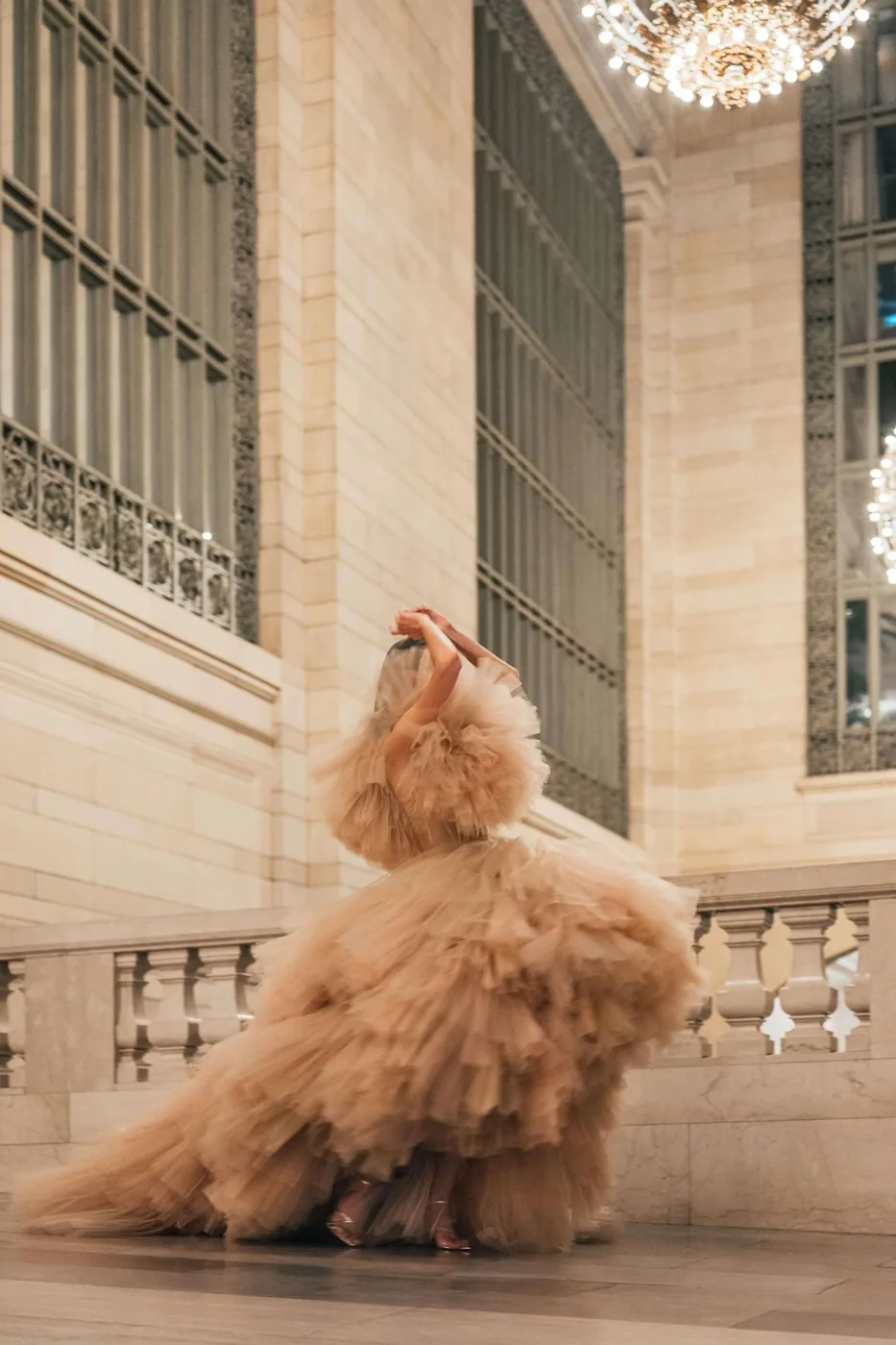
The evening was already set. The invitation sat on the desk, the car arranged for 7:15, and the gown that had looked perfect at the last benefit now hung with a soft fold across the hip that refused to release. One cleaning had restored the line completely; the next left the fabric with a memory of its own. That difference shows up at the worst moment—when there is no time left to correct it.
Black-tie evenings in San Francisco do not allow for second chances at the mirror. A formal dress carries beading, layered silk, and structured seams that shift under heat or pressure. When the result varies from one pickup to the next, the uncertainty settles in days before the event. The question is no longer whether the dress is clean, but whether it will return ready for the room it must enter.
Alex Najafi founded Alex's Dry Cleaning Valet in 1984 and has operated it personally ever since, building a process that treats each gown as its own set of variables. The team begins with a full inspection under directed light, noting every bead cluster, every seam intersection, and every area where previous pressing may have flattened the intended drape. Stains are mapped before any solvent touches the fabric. Only then does hand steaming begin, applied in short passes that lift the cloth back to its original fall without forcing new creases.
When the next black-tie date is already on the calendar, the simplest step is to remove the variable before it appears.
Schedule a Pickup →Beadwork receives separate attention. Each strand is checked for looseness; any thread that has caught during wear is secured before cleaning. The lining is examined for color transfer or hidden moisture that could bloom later under ballroom lights. These steps are repeated with the same sequence every time, so the outcome does not depend on who happens to handle the garment that week.
After cleaning, the dress is shaped on a form that matches its original silhouette. Hand pressing follows only where the construction allows—never across beaded panels or bias cuts that would pucker. The final check is visual and tactile: the fabric must move as it did when new, and every embellishment must sit exactly where the designer placed it. That single standard is applied to every formal dress that leaves the workroom.
Clients who have relied on the service for years notice the absence of surprises more than any single improvement. The gown that returns ready for the next evening is simply the one that received the same inspection, the same sequence, and the same finishing attention it received the time before. When that consistency is in place, the only decision left on the night itself is which earrings to wear.
Many households in San Francisco now send every formal dress through the same standing arrangement so the variable never reappears. The link below leads to the questions most often asked about maintaining that level of reliability: the best dry cleaning in San Francisco.
The difference is not dramatic on any single garment. It appears over a season of events when each dress arrives exactly as it left the previous time—ready, not repaired.